Brownface and blackface scandal have burst open the Canadian exceptionalism bubble
Melissa J. Gismondi
“He is getting so embarrassing, to be honest.”
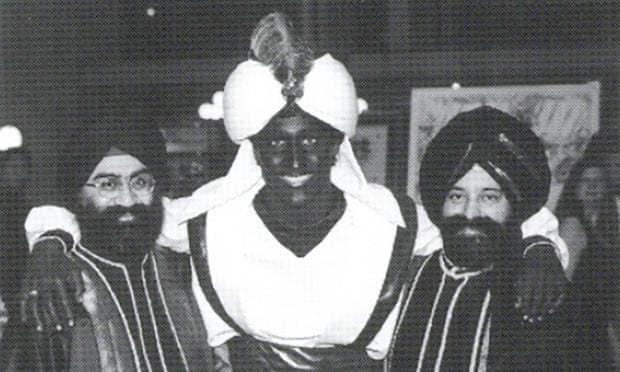
That was the text I woke up to this morning from a Canadian friend who, like me, has been living in the United States. She was talking about Prime Minister Justin Trudeau and Time magazine bombshell report that he once wore brownface to an “Arabian Nights” party while a teacher at a private school in Vancouver in 2001. (Since Time’s story broke, other instances of Trudeau sexual escapades have emerged – bang in the middle of an election campaign.)
My friend was referring to how Trudeau is seen on the world stage. It all started back in 2015 when Trudeau won a surprising majority victory over the longtime Conservative Prime Minister Stephen Harper. Cosying up to then US president Barack Obama, the two young, charismatic world leaders had what the press affectionately called a “bromance.”
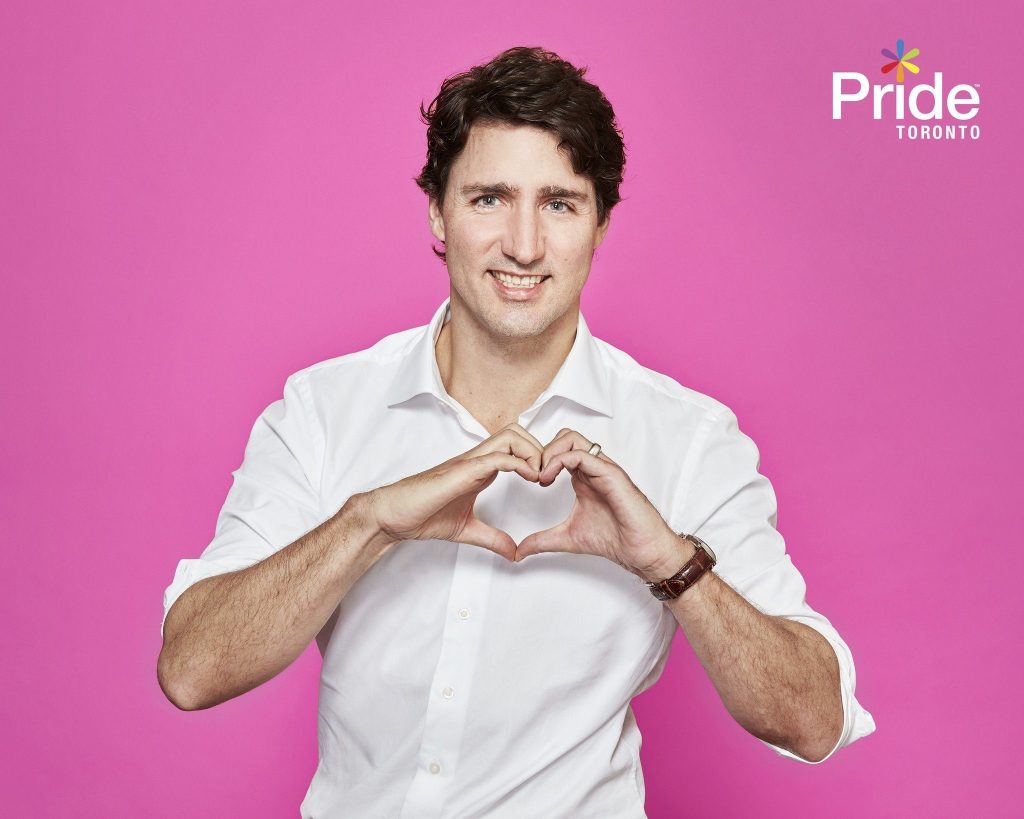
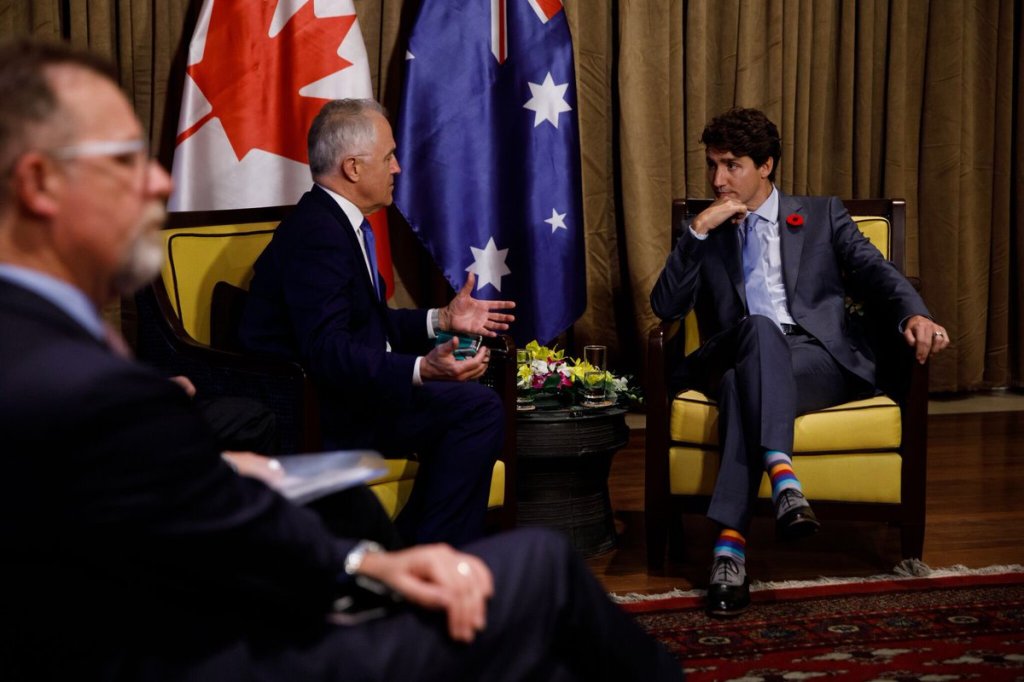
But south of the border, excitement over Trudeau didn’t really reach its zenith until November 2016. Before that, the prime minister, with his self-described feminism and his openness to Syrian refugees, had cast himself as Canada’s answer to the charismatic and cosmopolitan liberalism of the Obama years. Now, however, for American liberals, he was no longer cute kid brother but foil: Trudeau offered the perfect juxtaposition to the crassness of Donald Trump. Every detail, from his luxurious hair to his stylish socks, seemingly served to emphasise their differences.
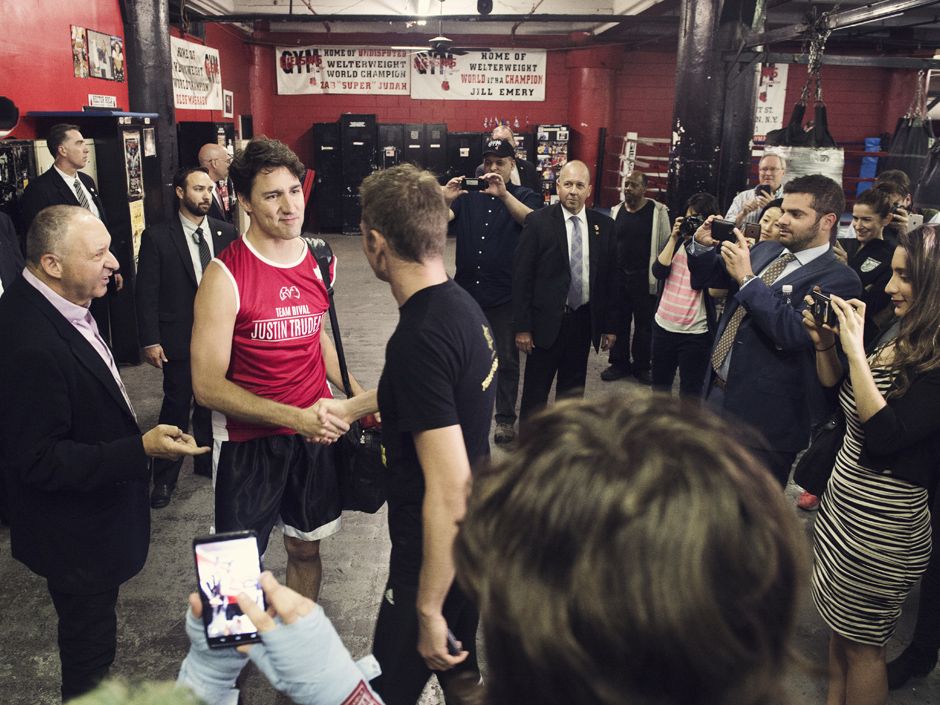
Image: Edwin Tse for National Post
It was in this spirit that Rolling Stone put Trudeau on its cover and Vogue did a sultry photo shoot with him. Talk of “Canadian exceptionalism” made the rounds — the idea that while the United States was imploding, Canada was a beacon of hope in a world gone mad. It was a sentiment echoed by pundits on both sides of the border: Adam Gopnik wrote an essay in The New Yorker reminding Americans, “We could have been Canada,” while Stephen Marche, writing in the Toronto-based publication The Walrus, called Canada “the last country on Earth to believe in multiculturalism.”
There are two things that virtually everyone can agree about Canadian Prime Minister Justin Trudeau: He’s sexy. And he is liberal. It appears now that in both the uber values of western idiom – the darling of the western media is having a public meltdown. Whether it is something that the 40-something premier, known for his chutzpah and moral drive can handle remains to be seen.
Immediately after he became Canada’s prime minister five years ago the international press was filled with articles describing him as “super hot” and “hunky.” Yet it’s a mistake to see Trudeau’s sexiness as merely a personal attribute, since it happens to be linked in complex ways with his sexual liberalism. Trudeau calls himself a feminist, has promised gender parity in the cabinet, and has made support for reproductive choice a prerequisite for new candidates running under his party’s banner.
Unlike Stephen Harper, the ex-Conservative prime minister, Trudeau marches in pride parades to celebrate the LGBT community. He has publicly announced that he has had several bisexual encounters and was famously bicurious during all his adult life. Sexual liberalism doesn’t, of course, need to be advocated by sexy politicians, but historically the Trudeau brand has carried both connotations.
Justin Trudeau inherited both his good looks and his sexual liberalism from his parents, Pierre and Margaret Trudeau, whose tumultuous marriage, which started in 1971 and ended in divorce in 1984, paralleled the social upheavals that overtook Canadian society in the wake of the 1960s counterculture. The elder Trudeau started off as freewheeling bachelor when he entered public life in the 1960s (reportedly dating Barbara Streisand at one time), going on to serve as justice minister in 1967 and ascending to the prime ministership in 1968.
During these years, many of the major reforms he pushed through were part of a program of sexual liberalism. “There’s no place for the state in the bedrooms of the nation,” he declared in 1967. Among the major reforms Trudeau Sr (who also served as Canada’s PM) instituted were the decriminalization of birth control and homosexuality, the easing of restrictions on abortion (although it took a court decision in 1988, drawing on the Charter of Rights that Trudeau was instrumental in creating, to fully introduce reproductive freedom), and a liberalization of divorce laws.
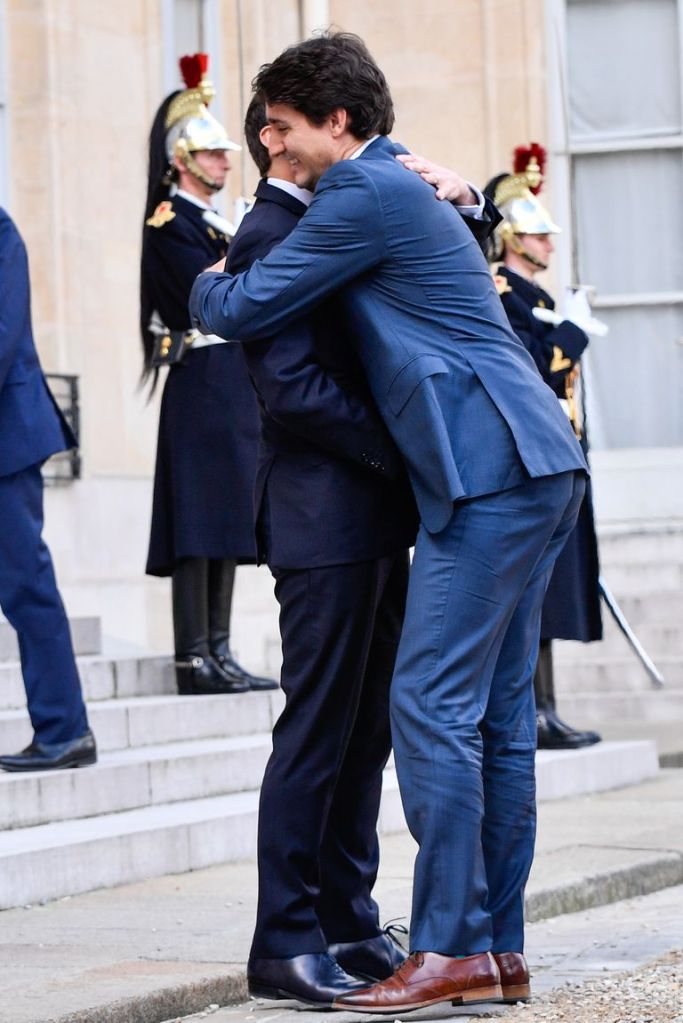
As Donald Forbes, a political scientist at the University of Toronto, noted in a 1990 article for The Idler, “It’s impossible to think much about [Pierre] Trudeau without thinking about sex—the swinging bachelor with the Mercedes (the car), the rose on his lapel, Barbara Streisand, Margaret.… Trudeau obviously engaged our sexual interests. There’s no understanding of him or his appeal to Canadians without considering how he embodied sexual liberation.”
For his efforts, the young Justin Trudeau was often the victim of ad hominem attacks. His critics spread rumours that he was gay. Like most Canadian young men, he is bisexual and has been seen carousing with men on more than one occasions. Quebec nationalists called him a “fédéraste” (a portmanteau fusing together federalist and pederast).
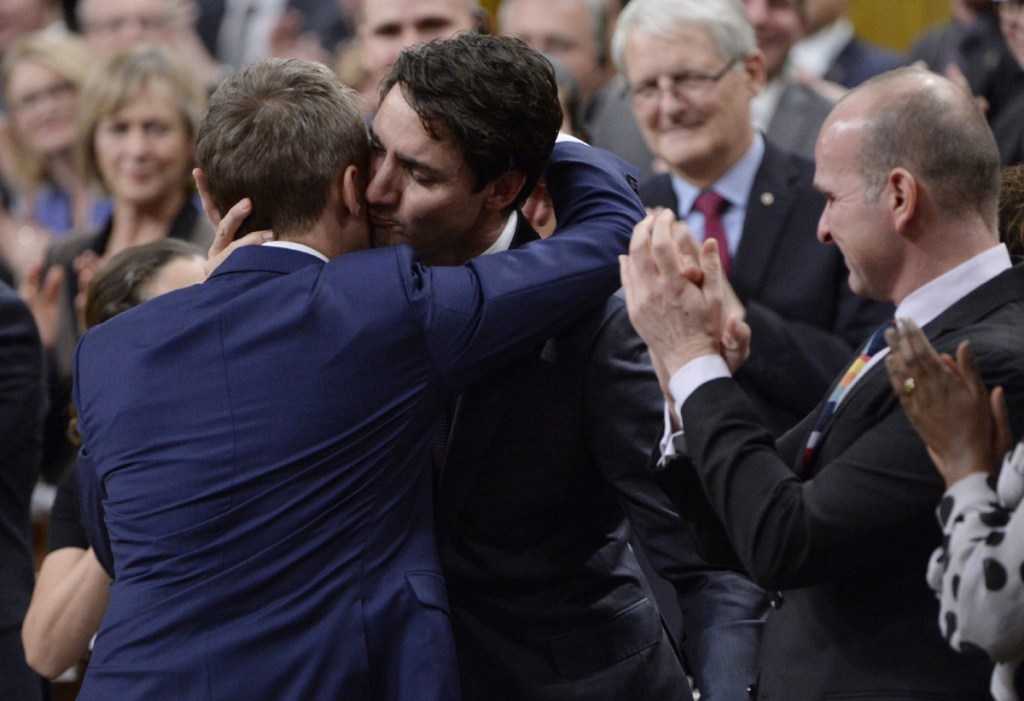
However, it is not Trudeau’s sexuality that is in questions but his attire. In his defense the prime minister has noted that he cannot remember how often he wore blackface as a younger man, as a scandal deepened ahead of an election. He was speaking after more images of him wearing black make-up when he was younger emerged. “I am wary of being definitive about this because of the recent pictures that came out, I had not remembered,” he told reporters in Winnipeg.
The revelations have rattled his campaign in a tight election race. Canadians will go to the polls on 21 October. The latest images are so embarrassing for the prime minister because he has positioned himself as a champion of social justice, inclusivity and diversity. Trudeau’s worries started two years ago. Characteristically for politicians, it started with a failed promise. In early 2017, the Trudeau government announced it wouldn’t be pursuing electoral reform, despite making it a major part of the Liberal Party platform. (The reforms were part of a broader effort to make Canada’s parliamentary system proportionately representative.)
Then, in 2018, Trudeau made one of his most shocking moves: purchasing the Trans Mountain Pipeline, which runs from Alberta to coastal British Columbia, as part of an expansion project to increase capacity and add portions of new pipeline. Coming from a prime minister who said he was committed to green energy and tackling climate change, the move angered environmentalists including those who had supported Trudeau.
In Canada, these developments, as well as a host of others, have changed how liberals see Trudeau. He is far less popular than he was in 2015, a leader despised on the right and often ridiculed on the left.
These stories, though, rarely made a stir outside. Occasionally, I’d see articles alluding to Trudeau’s troubles. Recently, Hasan Minhaj’s Netflix series “Patriot Act” featured an episode with Trudeau, in which he uncomfortably answers questions about the gap between his image and his policies. But overall, the American story of Trudeau as a “dream politician for the left,” as Minhaj put it, stuck. Until now, that is.
There are two ways this story will be understood, depending on which side of the border you’re on. For many Americans, the story connects Canada to what’s often seen as a deeply ingrained American tradition: blackface. Down here, Trudeau’s brownface and blackface episodes are bursting the Canadian exceptionalism bubble.
For Canadians, though, the story is different. It also has bigger stakes, coming as it does in the middle of a federal election that has seen the Liberals and Conservatives neck-and-neck in the polls. It’s the latest in a series of scandals that have led many liberals to grow disillusioned and, yes, even flat out embarrassed by Trudeau.
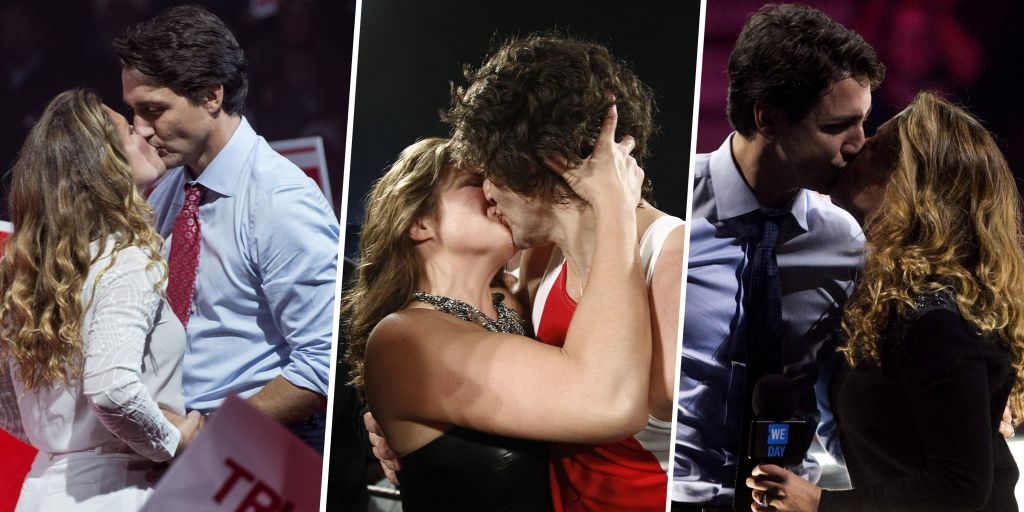
The immediate question in front of us is what Canadians should do today. Trudeau and his Liberal Party are now in the final weeks of a re-election campaign, and the main challenger, the Conservative Party, headed by Andrew Scheer, is already exploiting the scandal. Scheer has called Trudeau “not fit” to be prime minister. But just days earlier, Scheer was excusing the rampant and excessive racism and homophobia found among members of his own party. And while the Liberals have disappointed indigenous communities on several fronts since assuming power, the Conservatives haven’t even offered an indigenous policy or strategy.
Which leads us to the clear answer. Justin Trudeau’s racist pantomimes are reprehensible. He may be a champion of sexual liberty but no one likes a cool man with a racist past, however fun it may be. However, there is a silver lining here. What we are examining is not only Trudeau but also West, overall, and its racism. Otherwise, the solutions we come up with will be not even skin deep but simply made-up.
Melissa J. Gismondi is an award-Winning multimedia journalist and political columnist
 Fashion Mag